Inside a Meadery: What Actually Happens When You Walk Through the Door

Ever wondered what separates a meadery from every other place that pours you a drink? It's a fair question, and the answer is more interesting than you'd expect.
Meaderies make mead, which is an alcoholic beverage fermented from honey rather than grain or grapes. That single ingredient difference shapes everything: the smell when you walk in, the way staff talk about their products, even the color of what's in your glass. Walking into one for the first time, you get this immediate sense that you're somewhere that operates by its own rules.
What a Meadery Actually Is
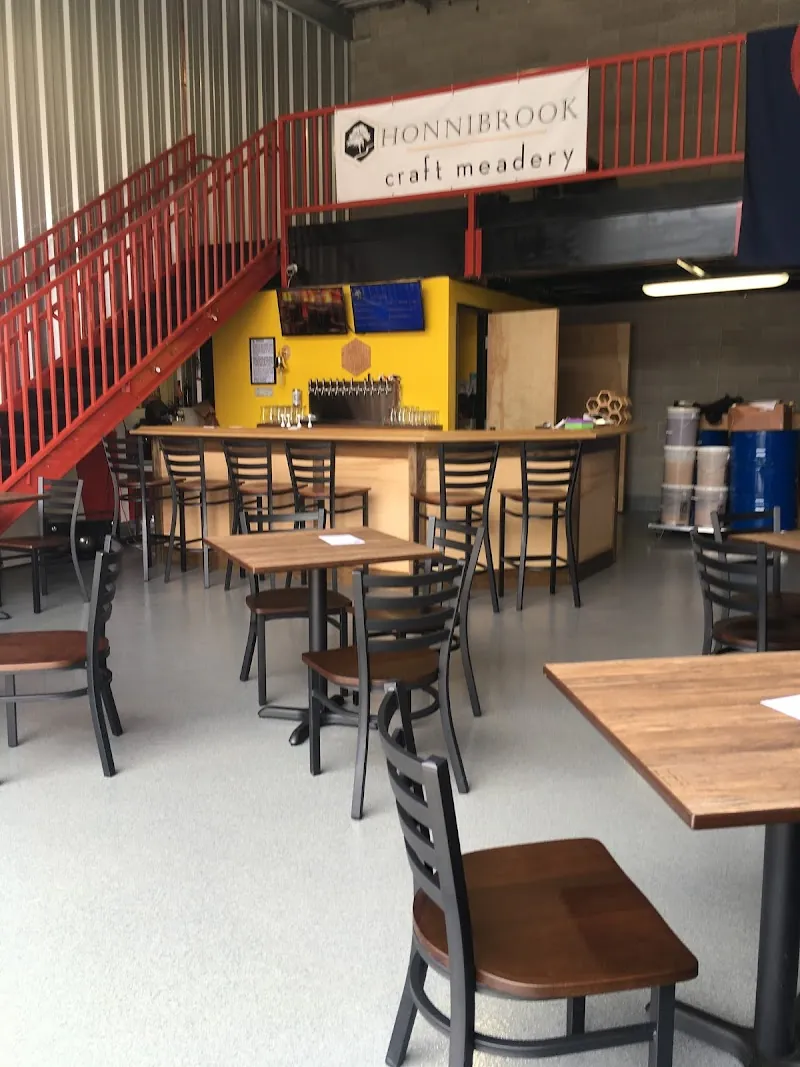
A meadery is a production facility and tasting room combined. Honey goes in one end, and mead comes out the other. Most meaderies you'll find are small-batch operations, not factory floors. You can usually see fermentation vessels or barrels somewhere in the building, sometimes right behind the bar.
Mead is one of the oldest fermented drinks humans ever made. And yet most people have never tried it. That gap between history and awareness is exactly why meaderies tend to have patient, enthusiastic staff who genuinely enjoy explaining what they do.
Meaderies are not breweries. Breweries ferment grain. Meaderies ferment honey. Some meaderies do add fruit, spices, or hops to their mead, and those variations have their own names: melomel for fruit mead, metheglin for spiced mead. But the base is always honey, and that distinction matters when you're trying to understand what you're tasting.
Honestly, "honey wine" is a phrase you'll hear a lot at these places, and it's not wrong exactly, but it undersells how different mead can taste from any wine you've had. Some meads are bone dry. Others are almost syrupy sweet. A good meadery will walk you through that range without making you feel like you've stumbled into a lecture.
What to Expect When You Visit
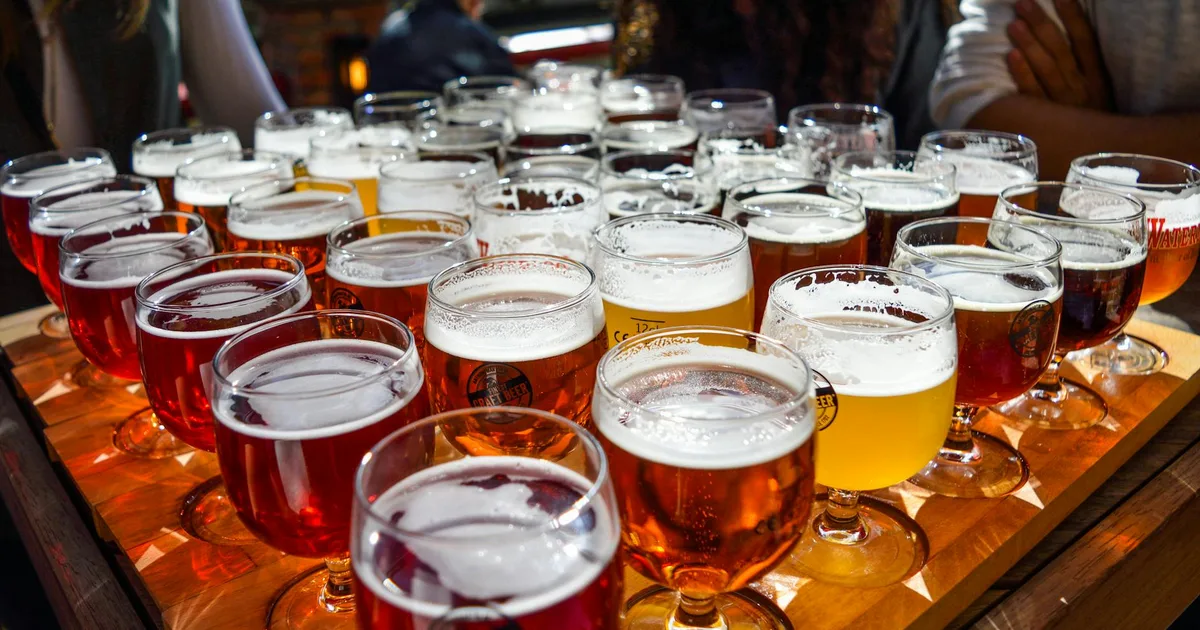
Most meaderies run a tasting room model. You arrive, you sit or stand at a bar, and you try small pours of several meads before deciding what you like. Flights are common. A standard flight might include four to six meads, ranging from traditional to fruit-forward to sparkling.
Pricing is usually reasonable. Flights at meaderies tend to run anywhere from eight to fifteen dollars depending on the location and pour size. Bottles to take home range widely, from around fifteen dollars for a standard table mead up to forty or fifty for a reserve or barrel-aged bottle. Worth knowing before you arrive so you're not surprised at checkout.
Staff at meaderies are almost always knowledgeable about their specific products in a way that feels personal rather than scripted. Because these are usually small operations, the person pouring your flight might also know the meadmaker, or might be the meadmaker. That's not unusual at all.
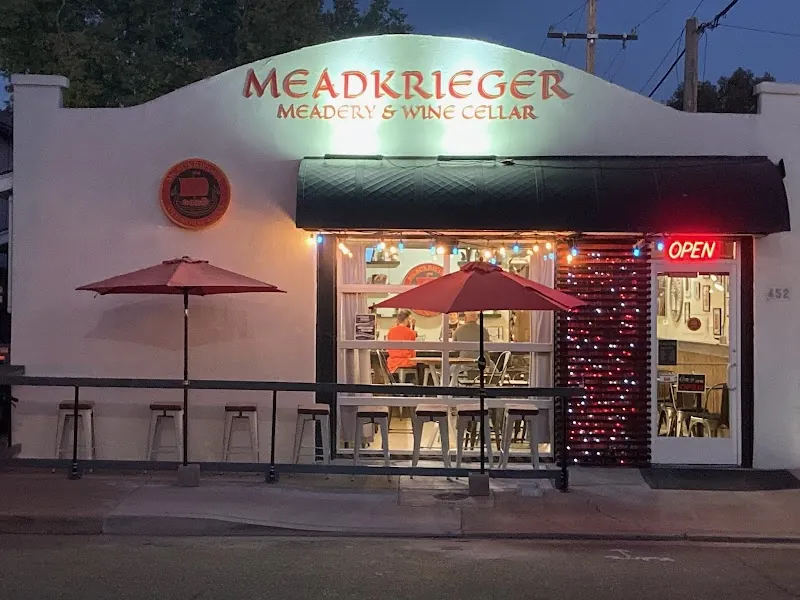
Meaderies with Meadery Pal's 99+ verified listings span a lot of different styles and settings. Some are attached to farms where the honey is sourced on-site. Others operate out of converted industrial spaces in city neighborhoods. The physical space varies a lot, but the tasting room experience tends to follow a similar shape wherever you go.
One thing worth noting: meaderies are rarely loud or crowded in the way a busy brewery taproom can get. They tend to be quieter, more conversational. If you want a place where you can actually hear the person across from you, meaderies do well on that front.
How Meaderies Differ From Wineries and Breweries
Wineries work with grapes. Breweries work with malted grain and hops. Meaderies work with honey. That sounds simple, but it creates real differences in what you experience as a visitor.
Fermentation timelines are one example. Beer can ferment in a couple of weeks. Wine takes months. Mead can take anywhere from a few weeks to over a year depending on the style, which means meaderies often have a smaller rotating selection than a large winery or brewery would carry. Do not go in expecting thirty taps. Five to twelve meads on offer is a solid, respectable selection for most meaderies.
Wait, that's not quite right to frame it as a limitation. A focused, curated selection is often a feature, not a gap. You're getting products that had real time put into them.
Breweries tend to lean into a social, high-energy atmosphere. Wineries often go formal or estate-style. Meaderies sit somewhere in between. The vibe is usually relaxed and curious. People are there because they want to try something they haven't had before, and that shared energy makes for good conversation between strangers at the bar.
Meaderies also tend to be more education-forward than either wineries or breweries. Staff will often explain what varietal honey was used, where the honey came from, and what the fermentation process looked like for a specific batch. That level of transparency is less common at your average winery tasting room.
How to Get the Most Out of a Meadery Visit
Go in without strong expectations about sweetness. Mead surprises people constantly, and that surprise is part of the appeal. Ask for a dry option and a sweet option early in your tasting so you can calibrate where your preferences land.
Tell the staff what you usually drink. If you're a red wine person, say so. If you love sour beers, mention it. Meaderies with good staff will use that information to guide you toward something you'll actually enjoy rather than just pouring the flight in a fixed order.
Buy a bottle before you leave if something genuinely impressed you. Mead from small meaderies is often not available in retail stores, and production runs can be small enough that a batch you tried today might be gone in a month. I'd pick a bottle of something you loved over a second tasting flight almost every time.
Mead has been around for thousands of years. Meaderies are bringing it back in a way that feels present and alive. Finding a good one near you is worth the effort, and these places tend to reward repeat visits as their selection rotates with the seasons.