So You Want to Find a Real Honey Wine Maker — Here's What That Actually Means

Ninety-nine verified listings. That's how many honey wine makers are currently listed on Meadery Pal, with an average rating of 4.8 stars across the board. That number is higher than most people expect when they first start looking for mead producers, because most people don't realize how many of these places exist outside the obvious wine regions.
Honey wine makers are a specific kind of producer. They're not wineries. They're not breweries. And walking into one for the first time can feel a little disorienting if you expect it to look like either of those things.
What a Honey Wine Maker Actually Does
At its core, a honey wine maker ferments honey with water to produce mead. That's the short version. The longer version involves a surprising amount of variation in technique, ingredient sourcing, fermentation time, and final alcohol content, anywhere from around 3.5% ABV for a session-style mead to well over 14% for a traditional still variety.
These places usually source honey from local or regional beekeepers, and that sourcing choice shapes the flavor of everything they make. A wildflower honey from the Pacific Northwest tastes completely different from orange blossom honey out of Florida, and a skilled honey wine maker will tell you that before you even ask. Honestly, that conversation alone is worth stopping by for.
Many honey wine makers also produce what are called melomels (fruit meads), metheglins (spiced meads), and cysers (apple-based meads). So even though honey is always the base, the final product lineup at a given facility can be wide. Some focus on just two or three styles done really well. Others pour fifteen different varieties on a rotating tap list. Neither approach is wrong, but they offer very different experiences to a visitor.
One thing worth knowing: honey wine makers are regulated differently depending on the state. Some operate under a winery license, some under a brewery license, and a few hold a dedicated meadery license where those exist. It doesn't change what's in the glass, but it can affect whether they can ship to you or sell bottles on-site.
How These Places Differ from Wineries and Breweries
This is where people get tripped up.
A winery starts with grapes. A brewery starts with grain. Honey wine makers start with honey, which puts them in a genuinely separate category in terms of process, flavor profile, and even the culture inside the tasting room. Mead tends to attract a crowd that's curious rather than loyal to a single product type, which gives these spots a different energy than your average wine bar.
Breweries move fast. New batches every few weeks, seasonal releases, limited drops. Honey wine makers often work on longer timelines because traditional mead fermentation can take months. Some of the higher-end producers age their mead in oak barrels for a year or more. You're not going to find a "batch brewed last Tuesday" situation at most of these places, and I'd be skeptical of any that claim otherwise.
Tasting room formats also differ. At a winery, you might get a formal seated tasting with a flight card. At a meadery, it's often more casual, poured over a counter, with the maker or a knowledgeable staff member talking you through what you're drinking. Some honey wine makers double as event spaces and hold weekend festivals, which is worth checking on their listing page before you make the drive.
And the pricing is different too. A single bottle of well-made traditional mead can run $25 to $45 or more, which surprises people who expect it to sit next to grocery store wine. That price reflects the cost of quality honey, longer production time, and the fact that most honey wine makers are small-batch operations, not industrial producers.
What to Expect When You Visit
Most honey wine makers have a tasting room, but not all of them are open every day of the week. Friday through Sunday is the most common schedule for smaller producers. Check their Meadery Pal listing for current hours before you go, because a closed tasting room in a rural location with no cell signal is a genuinely frustrating experience.
Wait, that's not quite right to just leave it there. Hours can also change seasonally, especially for meaderies attached to working farms or apiaries. A listing that shows Saturday hours in July might run a different schedule in November. Calling ahead or checking for recent reviews mentioning hours is a smarter move than relying only on posted times.
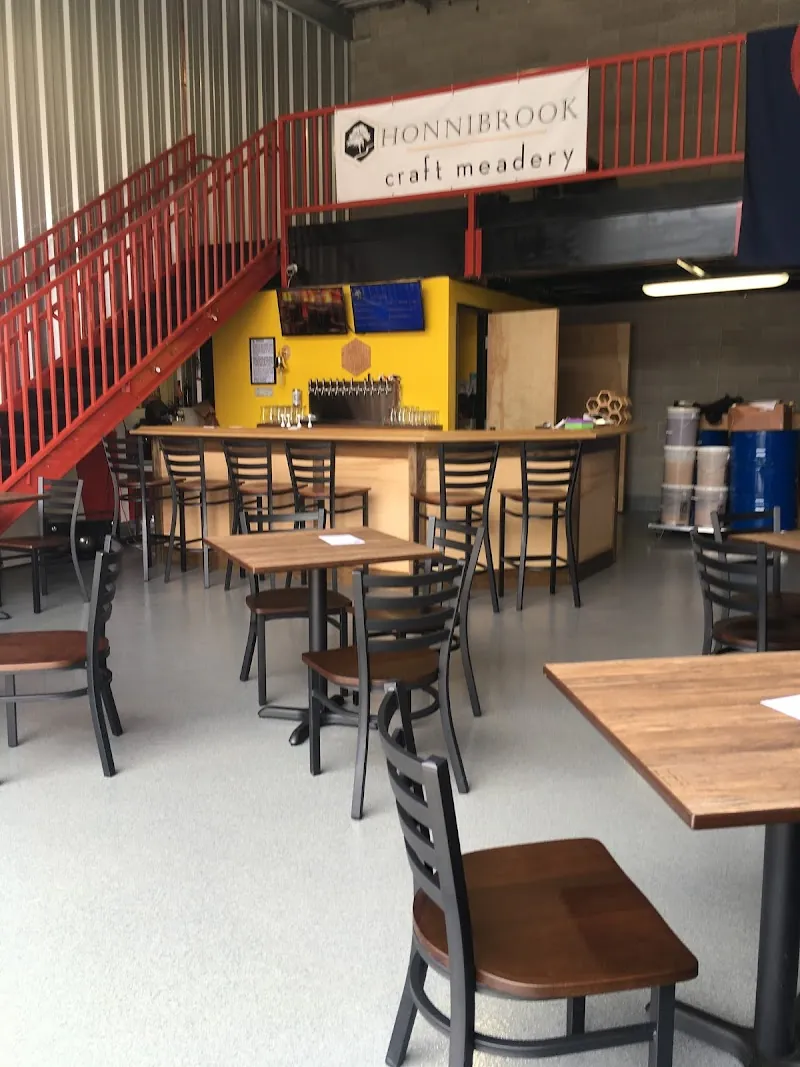
Inside, expect a smaller space than a winery. Most honey wine makers are not massive operations. You might be tasting in what looks like a converted garage, a barn, or a tasting room that seats maybe thirty people. That's actually part of the appeal. You're close to the production, sometimes literally looking at tanks through a window while you sip.
A few practical notes for your visit:
- Ask which meads are made with local honey versus commercially sourced honey. The answer tells you a lot about how much the producer cares about the base ingredient.
- If you enjoy something in the tasting, ask if they ship to your state. Many do not, because of licensing, so knowing before you leave saves you the letdown later.
- Bring cash or check if they have a card minimum. Smaller operations sometimes still work primarily in cash, especially at farm-based locations.
- Don't skip the dry meads if you usually drink dry wine. A lot of first-time visitors assume mead is always sweet, taste only the sweet options, and leave with a skewed impression of what these places actually produce.
Finding the Right One for You on Meadery Pal
With 99+ verified listings averaging 4.8 stars, there are enough options on Meadery Pal to be useful and specific rather than just browsing randomly. In practice, the ratings skew high, which reflects that most people visiting honey wine makers are going deliberately, not by accident, so the audience self-selects toward enthusiastic reviewers. Keep that in mind when reading reviews.
Look at the review text, not just the star count. Reviewers who mention specific meads by name, describe the tasting room setup, or comment on the staff's knowledge are giving you real signal. Generic five-star reviews that say "great experience, loved it!" are less useful.
A listing with a smaller number of reviews but consistent, detailed feedback from people who clearly know mead is usually more trustworthy than one with a hundred brief reviews from people who seem to have just wandered in