Step Inside a Mead Tasting Room: What Actually Happens Once You Walk Through the Door

Picture this: someone drives forty minutes to a meadery, walks in expecting something like a winery tasting room, and then stands at the counter looking slightly lost when the staff asks whether they prefer a traditional, melomel, or cyser. They nod confidently and point at the middle one. They have no idea what any of those words mean. This happens more than you'd think, and it's not the visitor's fault. Mead tasting rooms look familiar from the outside but operate on their own logic once you're inside.
Knowing what to expect before you go makes the whole experience better. A lot better.
What a Mead Tasting Room Actually Is
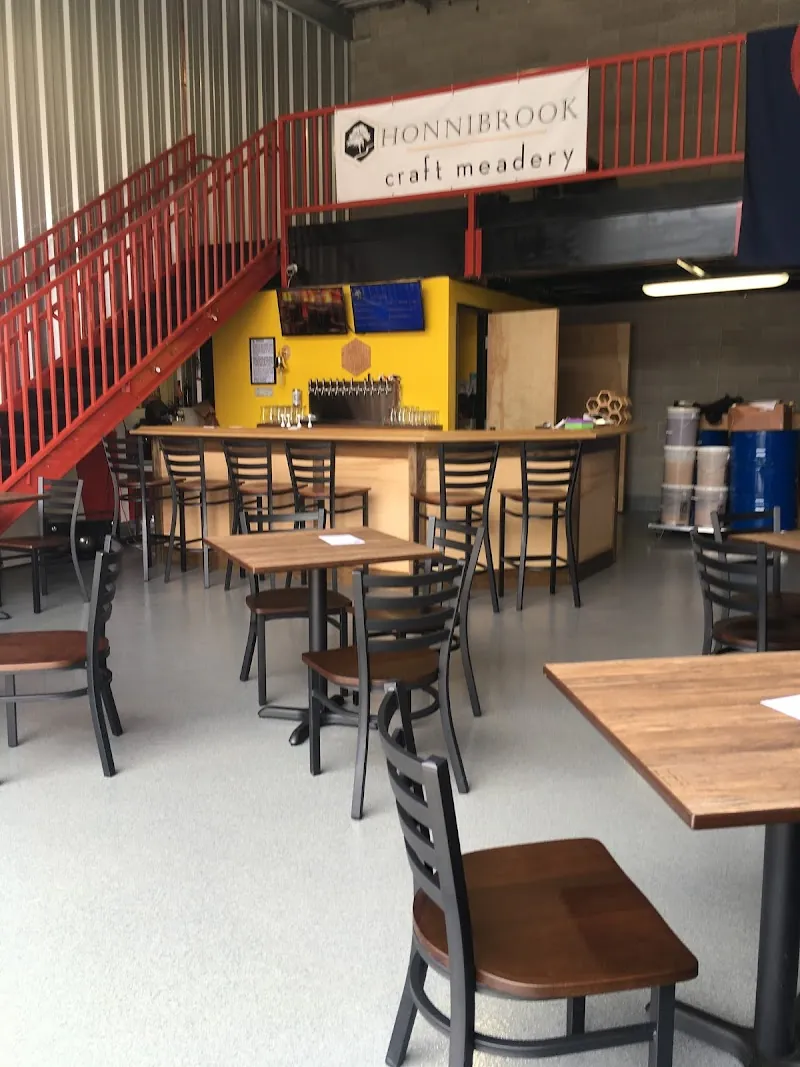
Mead tasting rooms are on-site spaces where a meadery lets you sample their products directly, usually for a small fee or as part of a structured flight. They're attached to, or located inside, the production facility. That matters because what you're tasting was often made in the same building you're standing in, sometimes in a tank visible through a window or door behind the bar.
Don't confuse these places with mead bars, which are separate retail or hospitality venues that stock mead from multiple producers. A tasting room represents one meadery's lineup. You're there to get to know that specific producer's style, ingredients, and approach. It's more focused than a bar, and more personal too.
Most mead tasting rooms offer a flight of four to eight samples, typically two to three ounces each. Staff will walk you through what you're tasting, explain the honey source, the fermentation time, any fruit or spice additions. Ask questions. That's genuinely what they want you to do. Nobody is going to rush you out.
And worth knowing: many of these places sell bottles to take home, either from stock on the shelf or through a membership club. If you find something you love during your tasting, you can usually leave with it.
How These Places Differ from Wineries and Breweries
Walking into a winery tasting room and walking into a mead tasting room feel similar at first. Same general setup: bar, staff pouring small amounts into glasses, some merch near the door. But mead tasting rooms tend to be smaller operations. More intimate. You're often talking directly to the meadmaker, or at least someone who has spent serious time with them.
Okay, here's something that surprised a lot of first-timers: mead has an enormous style range. A single meadery might pour something bone-dry and almost wine-like, then follow it with something sweet, fruity, and closer to a dessert drink, and then finish with a sparkling session mead that drinks like a light cider. Breweries don't usually swing that wide within one visit.
Craft breweries tend to have more seats, louder atmospheres, and often food on-site. Mead tasting rooms lean quieter and more conversational. Not all of them, but most. It feels less like a social outing and more like a guided tasting with a knowledgeable host. That's not a criticism; it's just a different vibe, and some people prefer it strongly.
Wineries operate at a similar pace, but mead producers are often working with much smaller batch sizes and more experimental recipes. You might taste something that only exists in a 30-gallon run. That's a genuinely different experience from tasting a wine that was produced by the tens of thousands of bottles.
What to Expect When You Visit
Most mead tasting rooms do not require reservations, but calling ahead never hurts, especially on weekends. Some smaller producers operate limited hours and close early. A quick check before you drive out saves frustration.
Expect to spend 45 minutes to an hour on a full tasting flight. You won't be rushed, but you also don't need to block out a whole afternoon. Bring someone who's curious and open-minded about unfamiliar flavors, not someone who's already decided they don't like honey wine before they've tried it. (Fair warning: those visits tend to go sideways.)
Staff at these places are usually passionate about what they make. Ask about the honey. Seriously. Most meaderies source locally or from specific apiaries, and the honey origin changes the flavor dramatically. Clover honey tastes completely different from wildflower or buckwheat, and a good staff member will explain exactly how that plays out in what you're drinking.
Meadery Pal has over 99 verified listings for mead tasting rooms, with an average rating of 4.8 stars across those locations. That's a high bar, and it reflects how seriously most of these producers take the in-person experience. These aren't places that slapped a tasting counter together as an afterthought.
Getting the Most Out of Your Visit
Go in with an open palate. Do not write off mead because of a single bad experience with a cloyingly sweet version from a grocery store. Traditional meads made with care drink nothing like that.
Start with a dry or semi-dry option if you're unsure where to begin. It gives you a baseline for the meadery's style before you move into sweeter or more complex pours. Working sweet-to-dry tends to overpower your palate early. Dry-to-sweet works better in almost every case.
One small but practical note: bring a designated driver or plan for an Uber. Mead alcohol content ranges from around 6% on the lower end to 14% or higher for traditional still meads. A full flight adds up faster than people expect, especially compared to a beer tasting.
Take notes if you're visiting multiple places in one trip. You will not remember which meadery made that raspberry melomel you loved by the time you get home. A quick photo of the bottle or a note in your phone takes ten seconds and saves a lot of guessing later.
Mead tasting rooms reward curiosity more than most places do. Go in with questions, stay for the conversation, and don't be surprised if you leave with a case.